Best Practices for Designing Cast Parts for Manufacturing part 2

How Casting Designs Affect Production Efficiency II
2026-02-09
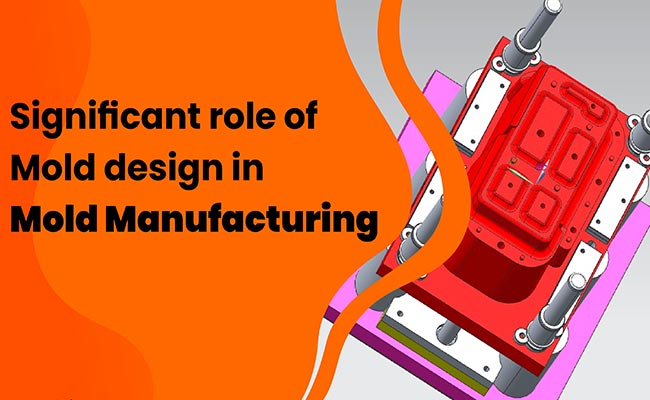
The Importance of Mold Design and Its Impact on Product Quality
2026-03-02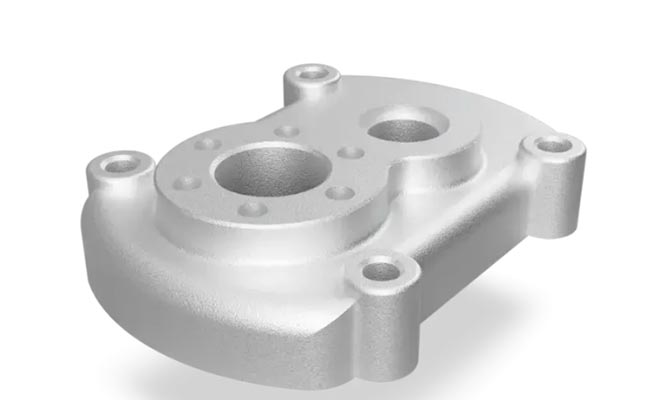
5. Design for Function and Integration
Casting offers an opportunity to combine multiple parts into one, eliminating the need for fasteners and assembly.
Add features like mounting holes or flanges directly into the cast design.
Use ribs and gussets for strength without excess weight or bulk.
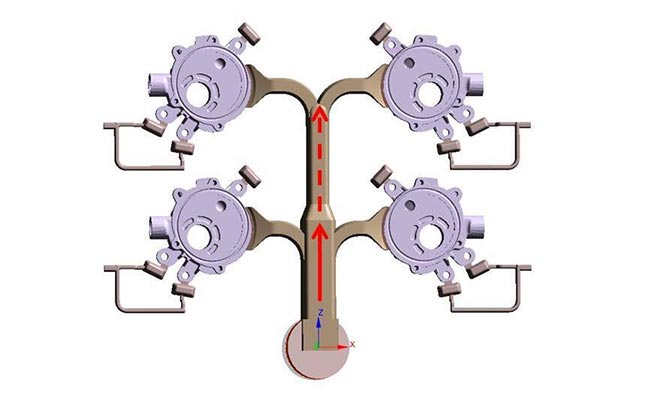
6. Make Mold Design Easy
Good part design makes mold creation faster and cheaper:
Avoid narrow slots, deep pockets, or features that are hard to access.
If cores are needed for internal cavities, ensure they are easily placed and removed.
7. Design for Cost Efficiency
Reducing cost without compromising quality is key. To do that:
Use casting to achieve near-net shapes, reducing machining time.
Reduce material usage by optimizing part geometry and using ribs instead of thicker sections.
Choose the right casting process (e.g., sand casting, die casting, investment casting) based on part size, quantity, and material.
8. Work with the Foundry Early
Involving the foundry during the design phase is one of the smartest moves you can make.
They can offer insights on tooling design, defect prevention, and yield optimization.
Foundries often suggest modifications that improve quality or reduce cost without compromising functionality.
Final Thoughts
Designing cast parts is about finding the sweet spot between performance, manufacturability, and efficiency. By following these best practices—simplifying geometry, planning for solidification, selecting the right materials, and collaborating with your foundry—you set your project up for success from the very beginning.
Looking to bring your casting project to life? Our team can help optimize your design and deliver high-quality, cost-effective cast parts. Contact us today to learn more.