Best Practices for Designing Cast Parts for Manufacturing part I

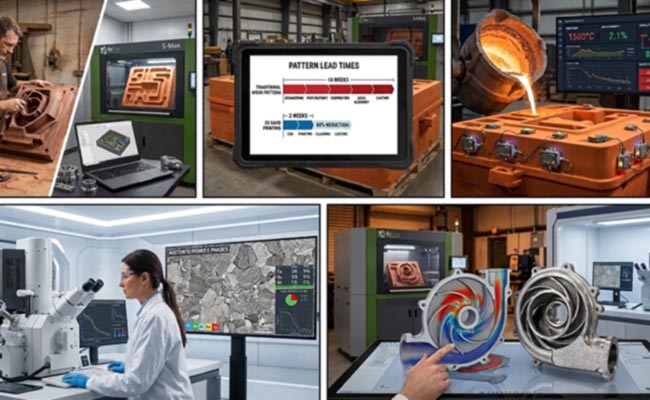
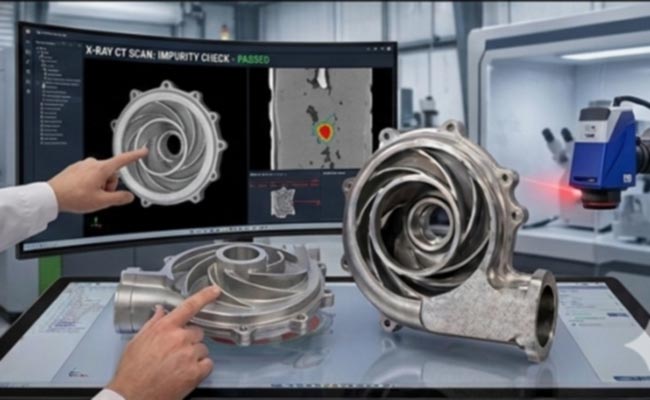
Digital Speed Meets Metallurgical Precision: The Perfect Symbiosis for Steel Casting
2026-03-23
When it comes to manufacturing metal components, casting offers unmatched versatility and cost-efficiency—especially for complex geometries and high-volume production. However, achieving a successful casting starts with smart design. Poorly designed castings can lead to defects, high production costs, or even failed components.
In this blog, we’ll explore the best practices for designing cast parts that are not only functional but also optimized for manufacturability and cost-effectiveness.
1. Simplify Geometry Wherever Possible
Simple designs are easier to cast and less prone to defects. Avoid unnecessary undercuts, sharp corners, or complex cavities. Focus on clean lines and logical shapes that support mold filling and cooling.
Use uniform wall thickness to reduce stress concentrations and prevent hot spots.
Add draft angles (usually between 1°–3°) to allow easy removal of the part from the mold without damaging the casting or tooling.
2. Account for Shrinkage and Tolerances
All cast metals shrink as they solidify. Your design should accommodate this by allowing for:
Shrinkage rates specific to the material you’re using.
Machining allowances on surfaces that require high precision or finishing.
Tolerances that balance functionality with production capability—reserve tight tolerances for critical features only.
3. Optimize Solidification and Flow
To ensure the metal fills the mold completely and cools evenly:
Avoid sudden thickness changes, which can cause shrinkage cavities.
Use fillets and smooth transitions to prevent turbulence during mold filling.
Design with risers and gates in mind so the foundry can control how metal flows and feeds the part during solidification.
4. Choose the Right Material for the Job
Material selection affects not just performance, but also castability:
Choose cast-friendly alloys that are known for good fluidity and resistance to hot tearing.
Balance mechanical properties, corrosion resistance, and thermal performance with casting ease.