Common Casting Alloys: A Deep Dive into Gray Iron vs. Ductile Iron vs. Steel (Cont.)

Common Casting Alloys: A Deep Dive into Gray Iron vs. Ductile Iron vs. Steel
2026-04-07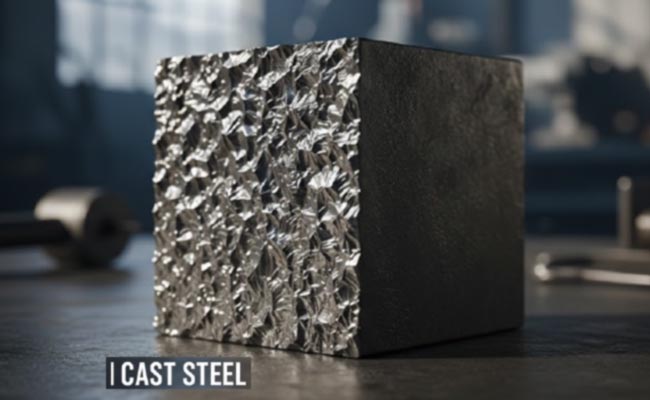
Microstructure: Unlike Gray or Ductile Iron, Cast Steel contains very little carbon in the form of graphite. Instead, carbon is primarily present in solution with iron, forming ferrite and pearlite grains similar to wrought steel, but in a cast form.
Properties:
Highest Tensile Strength & Yield Strength: Significantly stronger than both Gray and Ductile Iron, especially when alloyed and heat-treated.
Superior Toughness & Ductility: Can withstand extreme impact and dynamic loading.
Excellent Weldability (for many grades): Can be easily welded to other steel components.
Poor Damping Capacity: Tends to transmit vibrations.
More Difficult to Machine: Higher strength means more tool wear and slower machining speeds.
Higher Melting Point & Shrinkage: Can make casting more complex and expensive, leading to higher production costs than iron.
Common Applications: Heavy construction equipment components (bucket teeth, track shoes), valves for high-pressure systems, power generation components, railway car parts, military vehicle components.
Choosing the Right Alloy
The decision between Gray Iron, Ductile Iron, and Cast Steel boils down to a careful evaluation of:
Required Strength & Toughness: Is the part subject to high tensile stress, impact, or fatigue?
Damping Requirements: Does the component need to absorb vibrations?
Machinability: How complex is the post-casting machining, and what are the cost implications?
Cost: What is the budget for raw material, casting, and finishing?
Operating Environment: Temperature, corrosion resistance, and specific load conditions.
Each material offers a unique balance of properties. By understanding their fundamental differences, engineers and procurement professionals can make informed decisions that ensure optimal performance and value for their cast components.