How Casting Designs Affect Production Efficiency I

Recycling Metals in Foundries: A Key to Sustainable Manufacturing
2026-01-26
How Casting Designs Affect Production Efficiency II
2026-02-09
In the world of metal casting, design is far more than just aesthetics—it’s the foundation of efficient, cost-effective manufacturing. A well-engineered casting design can streamline production, reduce waste, and improve product quality. On the other hand, poor design choices often result in higher rejection rates, longer lead times, and increased production costs.
Let’s explore how casting designs directly impact production efficiency.
1. Optimizing Material Usage
Efficient casting designs focus on using just the right amount of material. Overdesigning a part—with unnecessarily thick walls or oversized sections—leads to excess metal use, which drives up material costs and extends cooling times. On the flip side, designs that optimize geometry while maintaining structural integrity result in leaner castings and better resource utilization.
2. Simplifying Mold Construction
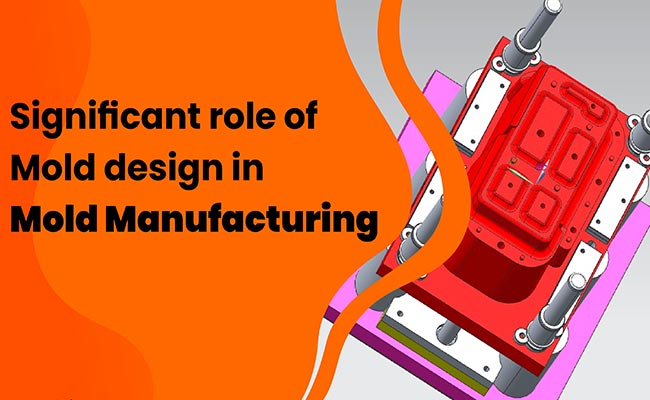
Complex designs with intricate features, deep undercuts, or multiple cores can make mold-making a challenging task. These designs often require advanced tooling, longer setup times, and careful handling. Simplifying the geometry of a casting can significantly reduce tooling complexity and improve cycle times, leading to faster and more economical production.
3. Controlling Solidification and Cooling
Casting design plays a key role in how a part cools and solidifies. Uniform wall thickness, smooth transitions between sections, and appropriate thermal mass distribution help ensure that the metal solidifies evenly. This reduces the risk of casting defects such as shrinkage, hot tears, or internal stresses—all of which can lead to rework or scrapping.
4. Improving Metal Flow and Fill Quality
Molten metal must flow smoothly into the mold to produce a defect-free casting. Designs that allow for uninterrupted flow paths and gradual changes in cross-section minimize turbulence and air entrapment. This leads to better filling, fewer voids, and a more consistent product. Poor flow design can result in porosity, inclusions, and incomplete fills.