
Protecting Workers in High-Temperature Environments

The Importance of Mold Design and Its Impact on Product Quality
2026-03-02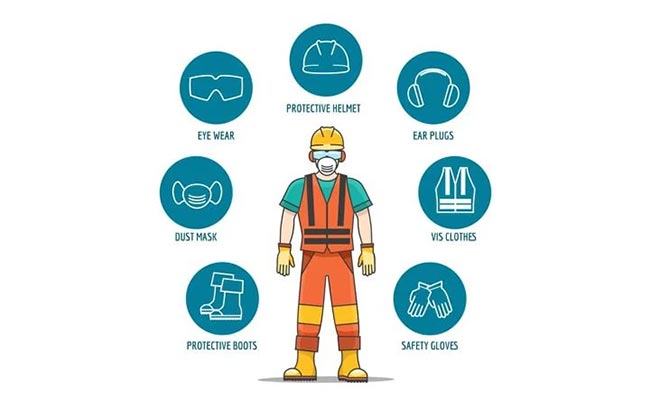
Working in high-temperature environments—such as foundries, steel mills, glass manufacturing plants, or outdoor construction during summer—poses significant health and safety risks. Without proper protection, workers are vulnerable to heat stress, dehydration, burns, and even life-threatening conditions like heatstroke. Ensuring their safety is both a legal obligation and a moral responsibility for employers.
Understanding the Risks
High-temperature work environments can lead to:
Heat exhaustion and heatstroke
Dehydration
Thermal burns from hot surfaces or molten materials
Reduced mental and physical performance, increasing the risk of accidents
Essential Protective Measures
Personal Protective Equipment (PPE)
Workers should be equipped with heat-resistant clothing, gloves, helmets, face shields, and safety boots. Specially designed PPE made from insulating materials helps reduce thermal exposure and prevent burns.
Hydration and Rest Breaks
Access to cool drinking water is vital. Employers should implement regular hydration breaks and provide shaded or cooled rest areas to help workers recover from heat exposure.
Engineering Controls
Installing proper ventilation, cooling systems, and thermal barriers can reduce ambient temperatures. Local exhaust ventilation can also help control heat from furnaces or equipment.
Training and Awareness
Workers should be trained to recognize the symptoms of heat-related illnesses and understand first aid procedures. Supervisors must be alert and proactive in identifying early warning signs.
Work Scheduling
Whenever possible, physically demanding tasks should be scheduled during cooler parts of the day. Rotating shifts and limiting continuous exposure time can also help manage fatigue and heat stress.
Conclusion
Creating a safe working environment in high-temperature conditions requires a combination of equipment, education, and organizational practices. By investing in protective strategies, employers not only comply with safety regulations but also ensure a healthier, more productive workforce.