Recycling Metals in Foundries: A Key to Sustainable Manufacturing

Reducing Waste in Foundry Operations
2026-01-19
How Casting Designs Affect Production Efficiency I
2026-02-02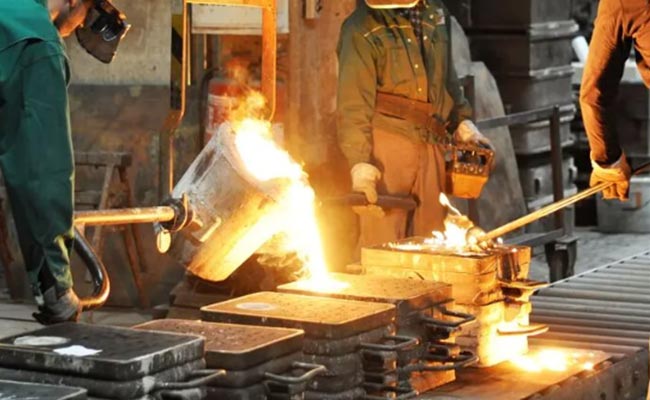
🌍 Benefits of Recycling Metals in Foundries
1. Environmental Sustainability
Reduces the need for mining and processing virgin ores
Lowers greenhouse gas emissions
Cuts down on landfill waste
2. Cost Savings
Recycled metals are often cheaper than new materials
Energy savings from melting scrap instead of raw ore can be up to 95% for some metals
3. Operational Efficiency
Minimizes waste disposal needs
Enhances furnace yield with optimized charge materials
Streamlines inventory management
⚙️ Key Steps in the Recycling Process
🔹 Collection and Segregation
Different types of metal (ferrous and non-ferrous) must be separated for effective recycling. Impurities like coatings, rust, or non-metal materials are removed.
🔹 Preparation and Sizing
The scrap is cleaned and sometimes shredded or cut into smaller pieces for efficient melting.
🔹 Melting
The scrap is melted in induction, cupola, or electric arc furnaces. Additives or fluxes may be introduced to improve metal quality.
🔹 Refining and Alloying
Adjustments are made to meet specific material specifications, ensuring consistency in the final cast products.
🔹 Casting and Reuse
The refined molten metal is poured into molds to create new components, restarting the product life cycle.
🧠 Best Practices for Foundries
Invest in high-quality sorting and separation systems to improve scrap purity.
Use melt shop management software to track scrap composition and optimize charge mixes.
Maintain regular furnace maintenance to avoid contamination and increase melt efficiency.
Partner with reliable scrap suppliers to ensure consistent quality and volume.
Educate staff on identifying recyclable materials and avoiding contamination.