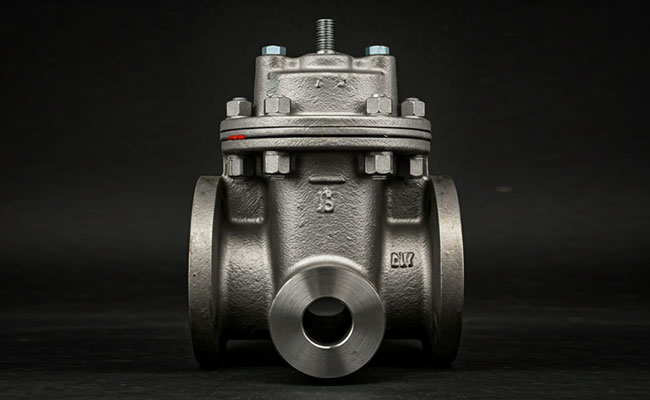
Reducing Waste in Foundry Operations

Energy-efficient techniques in casting
2026-01-12
Recycling Metals in Foundries: A Key to Sustainable Manufacturing
2026-01-26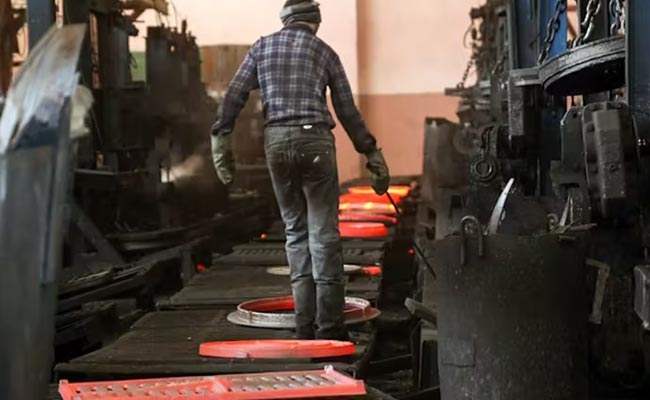
🔧 1. Raw Material Optimization
Metal Recycling: Reuse sprues, runners, and rejected castings internally.
Accurate Alloying: Use only necessary amounts of alloying elements.
Clean Charge Control: Use high-quality, sorted scrap to reduce inclusions and dross.
🏗️ 2. Sand System Management
Sand Reclamation: Reclaim used sand mechanically or thermally for reuse.
Efficient Mold Design: Minimize unnecessary sand usage and spillage.
Binder Control: Use optimal binder levels to reduce emissions and disposal needs.
🧪 3. Process Control
Casting Simulation: Use software to optimize gating, risers, and solidification.
Real-Time Monitoring: Detect process deviations early to avoid defective parts.
Preventive Maintenance: Keep equipment in top condition to prevent unplanned waste.
🌍 4. Energy & Emission Reduction
Efficient Furnaces: Switch to energy-saving induction furnaces.
Heat Recovery Systems: Reuse waste heat for preheating or drying applications.
Dust & Fume Control: Install air pollution control systems to manage emissions.
⚙️ 5. Defect Minimization
Root Cause Analysis: Identify and address repeat defects.
Training & SOPs: Ensure skilled labor and standardized operations.
Material Quality: Use verified, high-quality inputs to avoid defects from the start.
♻️ 6. Waste Segregation & Recycling
Separate Waste Streams: Classify metal, sand, slag, and chemical waste.
Reuse By-products: Use slag in road base or cement industries where regulations allow.
Partner with Recyclers: Develop external partnerships for handling specialized waste.