Lightweight casting solutions for the automotive sector

The most common production challenges in the foundry industry.
2026-07-20
5 Common Design Flaws that Increase Casting Defects (And How We Fix Them)
2026-08-03In the automotive world right now, “weight” is the dirtiest word in the dictionary. Every extra gram we pour into a chassis is a kilometer lost on an EV’s range or a fraction of a liter wasted in an internal combustion engine.
As someone who spends my life trying to make metal do things it doesn’t want to do, the shift toward lightweighting has turned my foundry into a high-stakes laboratory. We aren’t just “casting parts” anymore; we’re performing a balancing act between physics and fuel economy.
1. The Aluminum Revolution (and its temper)
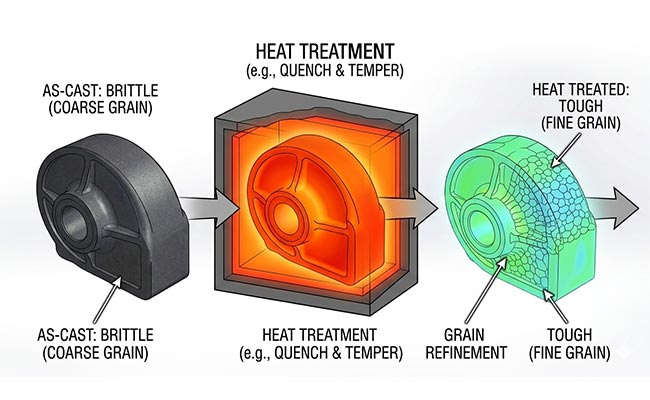
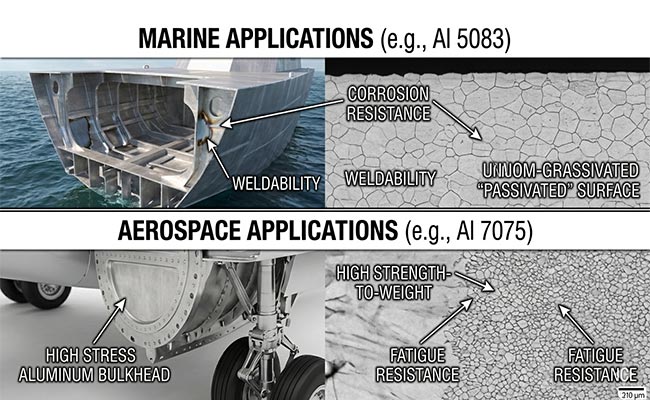
Aluminum has been our go-to for a while, but the demand for thin-walled, high-strength components is pushing the alloy to its limit. In the shop, we’re moving away from standard 356 alloys and into more complex, heat-treatable variations.
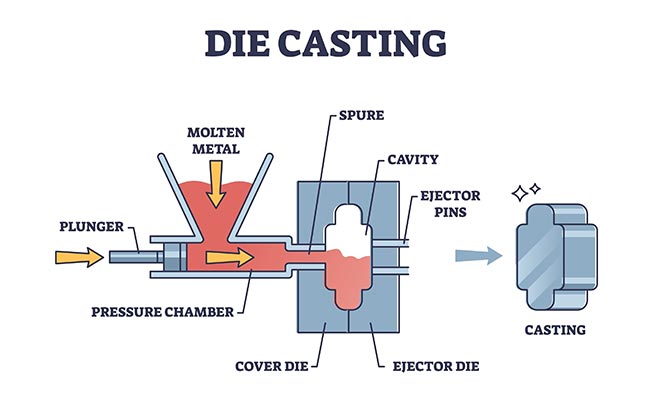
The challenge? When you cast a part with walls only 2–3mm thick, the metal has to flow like water and solidify without a single microscopic crack. We use High-Pressure Die Casting (HPDC) to “shove” the metal into the mold before it has a chance to think about cooling down.
2. The Magnesium “Holy Grail”
If aluminum is light, magnesium is a ghost. It’s about 33% lighter than aluminum, which makes it the ultimate prize for gearboxes and steering columns.
But working with magnesium in a foundry is like babysitting a moody firework. It has a high affinity for oxygen—meaning it wants to catch fire the second it looks at the atmosphere. We have to use specialized cover gases (like $SF_6$ or newer, greener alternatives) to keep the melt stable. It’s high-stress, but when you pick up a finished housing that feels like it’s made of plastic but has the strength of steel, it’s a total rush.
3. “Giga-Casting”: The Big Swing
You can’t talk about automotive casting without mentioning the “Tesla effect.” We’re seeing a massive shift toward Giga-casting—taking 70 separate stamped and welded steel parts and replacing them with a single, massive aluminum structural casting.
The Pro: It kills the “weight penalty” of hundreds of bolts and welds.
The Con: If the casting is 99% perfect but has one flaw in a corner, the whole 100kg part is scrap.
This is where Casting Simulation Software becomes my best friend. I spend hours running virtual pours to see where the “cold shuts” might happen before we ever tip a ladle.
4. The Math of the “Light”
Why do we put ourselves through this stress? It comes down to the Mass Decompounding Effect. If I can shave 10kg off the engine block, I can use lighter brakes, a smaller suspension, and a lighter frame.
The rough industry rule of thumb we live by is:
$$\text{Fuel Saving} \approx 0.3 \text{ to } 0.5 \text{ L/100km per } 100\text{kg saved}$$
For an EV, that same 100kg can mean the difference between a car that gets you home and one that leaves you stranded three miles away.
The Verdict
Lightweighting has made my job harder, but it’s also made it more meaningful. We’re no longer just the “gritty basement” of the manufacturing world; we’re the ones making the next generation of transport possible.
The next time you see a sleek new car, remember: a lot of people in leather aprons worked very hard to make sure that metal was as light as air.